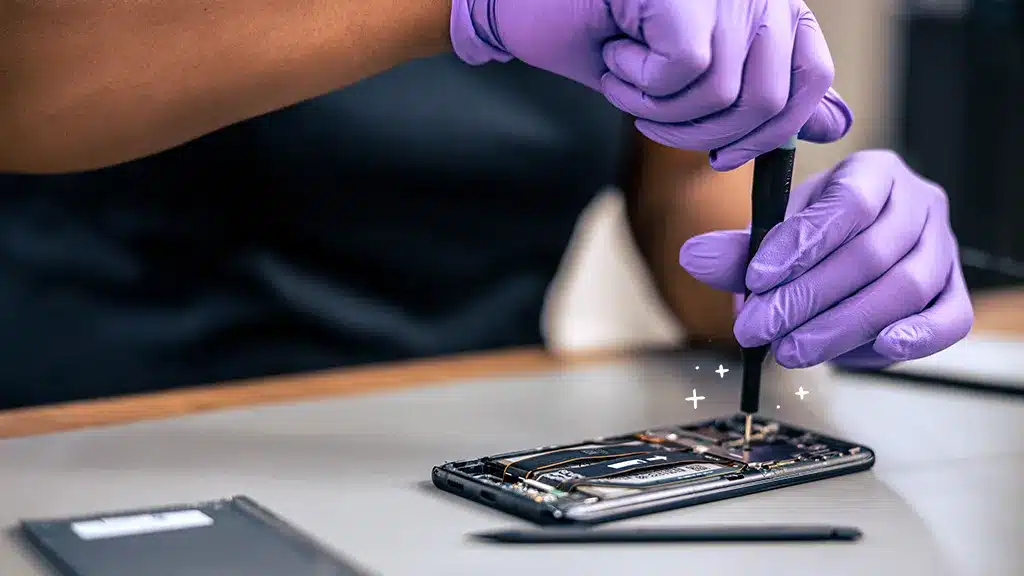
Something goes wrong with a phone, and the immediate reaction for most people is to start browsing new handsets. It’s a conditioned response — one that the mobile industry has spent considerable effort encouraging. New model, fresh start, problem solved.
But that reaction skips a step that’s worth taking. Because in a significant number of cases, the issue with an existing phone is fixable — often quickly, often affordably, and often without any meaningful compromise to the device’s ongoing performance.
The decision between repair and replacement isn’t always straightforward. But it’s almost always worth making deliberately rather than defaulting to whichever option requires the least thought. A phone repair has become more accessible, more affordable, and faster than most people realise — and understanding what’s actually involved changes how the decision gets made.
The Real Cost of Defaulting to a New Device
Smartphone purchases are not inexpensive. Mid-level smartphones can be expensive, while high-end smartphones will definitely cost over one thousand pounds. Even monthly contracts for phones cannot lower costs, but only make you pay more because of interest.
Against that baseline, the cost of most common repairs looks very different:
- Screen replacement — Typically between £50 and £200, depending on the model.
- Battery replacement — Usually £30 to £80 for the most popular handsets.
- Charging port repair — Often under £60 for a professional fix.
- Camera repair — Varies by model but rarely approaches replacement cost.
- Water damage assessment and treatment — Early intervention saves devices that owners assume are lost
Even at the higher end of repair costs, the financial case for fixing rather than replacing is usually clear — particularly for a device that’s otherwise in good condition.
What Affects Whether Repair Makes Sense
Not every situation points in the same direction. A few factors genuinely shape the repair vs replace calculation:
Age of the device — A phone that’s two years old with a cracked screen is a strong repair candidate. A phone that’s six years old with multiple faults and an outdated operating system is a different conversation.
Nature of the fault — Component-level failures — screens, batteries, ports, cameras — are typically straightforward to address. Logic board damage or faults affecting core processing hardware are more complex and can shift the cost balance.
Availability of parts — Popular models from major manufacturers have well-supported parts ecosystems. Older or more obscure models can present sourcing challenges that push costs up.
Sentimental or practical attachment — Sometimes a device contains data, settings, or app configurations that make continuity genuinely valuable beyond pure cost calculation.
Finding a Repair Option Worth Trusting
The quality of phone repair services varies considerably. There is a difference in the work of retail stores, individual stores, manufacturer service centers, and post repair services. Some questions to be asked before sending your smartphone to repair:
- Is there a written guarantee on the repaired part or labor?
- Are genuine or high-quality equivalent parts being used?
- What’s the realistic turnaround time?
- Is data safety addressed — and how?
- Is there a diagnostic fee if the repair turns out not to be viable?
Reputable services answer these questions clearly and without hesitation. Those that don’t are worth approaching with caution.
The Environmental Dimension
Every device that gets repaired rather than discarded represents real environmental value. Manufacturing a smartphone requires mining, processing, and assembling materials with a significant carbon footprint. Extending the life of a device already in circulation — even by one or two years — defers that entire production cycle.
The repair economy isn’t just financially logical. It’s a meaningful part of how consumption patterns in the tech industry become more sustainable over time.
Making the Call
The most intelligent thing to do when there is an issue with your phone is to diagnose it quickly. There are many services that perform diagnostics for free or cheaply, which help to define the problem with the smartphone, the process of repairing it, and its cost.
Based on this information, you will understand whether repairing the phone or buying a new one is cheaper. In most cases, repairing is a better idea.