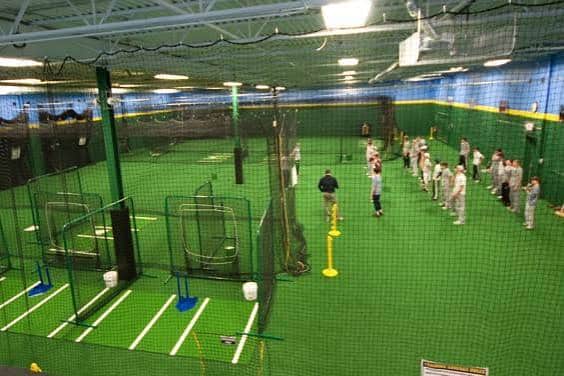
Choosing a place for baseball or softball practice involves more than selecting the nearest location. Two facilities may appear similar online while offering different ball types, pitching systems, lane arrangements, supervision policies, and rental terms. The better choice is the one that fits the player’s sport, ability, practice objective, schedule, and equipment needs.
A structured comparison helps players and parents avoid paying for a lane that cannot support the planned session.
Start With the Player’s Requirements
Define the activity before comparing locations. A beginner learning controlled contact needs a different environment from an experienced hitter practising against faster machine feeds. Likewise, baseball, fastpitch softball, and slow-pitch softball may require different configurations.
Write down these details:
- sport and ball type;
- player’s age and experience;
- primary practice objective;
- preferred feeding method;
- required equipment;
- number of participants;
- preferred session length;
- supervision or accessibility needs.
Use this list as a filter. A facility should be eliminated if it cannot confirm compatibility with a non-negotiable requirement.
Compare Indoor and Outdoor Practice
Indoor locations can provide predictable lighting and protection from rain, wind, or extreme temperatures. This may make scheduling easier during seasons when outdoor conditions change frequently. However, indoor operation does not guarantee suitable equipment, good maintenance, or available lanes.
Outdoor locations may provide a more open environment and can be practical in suitable weather. Their availability may depend on daylight, surface condition, seasonal schedules, and local conditions.
When reviewing batting cages, compare the actual lane rather than assuming that every indoor or outdoor option delivers the same experience.
| Comparison factor | Indoor facility | Outdoor facility |
| Weather disruption | Usually lower | Potentially higher |
| Lighting | Generally controlled | Depends on venue and time |
| Seasonal availability | May be more predictable | Can vary considerably |
| Surface condition | Usually protected | May be weather-dependent |
| Schedule reliability | Facility-dependent | May depend on conditions |
| Equipment suitability | Must be verified | Must be verified |
Neither type is automatically better. Suitability depends on the planned activity and the current condition of the facility.
Examine the Feeding System
A venue may use a pitching machine, staff-operated feed, coach pitch, soft toss, or another approved system. Each option supports different practice goals.
Machine feeds can provide consistent repetition for timing and contact drills. Coach-controlled feeds allow the practice to be adjusted more personally. Soft toss may be useful for focused swing work, but it does not reproduce the visual information of a pitched ball.
Ask the venue:
- What feeding systems are offered?
- Which balls can each system use?
- What settings are available?
- Who may operate or adjust the equipment?
- Must a particular machine be reserved?
- Is staff assistance available?
- What happens if the equipment malfunctions?
Never assume that an available lane includes the machine shown in promotional photographs.
Verify Baseball and Softball Compatibility
Baseball and softball facilities may differ in ball type, pitching trajectory, machine setup, and lane configuration. Fastpitch and slow-pitch practice can also require different feeds.
Confirm compatibility before paying. A general description such as “hitting center” does not establish that every lane supports every sport.
Parents and coaches comparing batting cages should also confirm age restrictions and supervision requirements. A facility may allow adults to operate certain equipment while requiring staff or authorized coaches to manage it during youth sessions.
Understand Lane Access
The booking model affects the value of a session. Some venues offer private timed rentals, while others use shared access, memberships, walk-in systems, tokens, or team reservations.
A private lane may provide greater control over drills and pacing. A shared system may cost less but offer less predictable access. Neither arrangement is inherently superior; the choice depends on the player’s objective and budget.
Check:
- whether the reservation is private or shared;
- the maximum number of participants;
- whether setup time is included;
- when the group must leave the lane;
- whether spectators have a designated area;
- how early players should arrive;
- what happens after a late arrival;
- whether the facility offers recurring reservations.
These details help compare two offers on equivalent terms.
Calculate the Complete Cost
The lowest advertised price may not represent the least expensive session. One facility may include balls, helmets, and machine access, while another charges separately for equipment or requires players to bring their own.
Request the total price for the exact booking. Consider:
- lane fee;
- machine access;
- equipment rental;
- membership requirement;
- instructor or staff charges;
- taxes or additional fees;
- peak-time pricing;
- cancellation and rescheduling terms.
Avoid publishing or relying on a universal average price. Rental costs depend on location, duration, equipment, demand, and facility model.
Review Equipment and Safety Policies
Clear rules are a positive sign because they help players understand how to use the space responsibly. Before visiting, review requirements for helmets, bats, footwear, balls, gates, protective screens, lane occupancy, and machine operation.
At the facility, inspect the visible condition of the netting, floor, gate, helmet, and other equipment. Stop and notify staff if anything appears damaged or behaves unexpectedly. Visitors should not attempt unauthorized machine repairs or bypass protective barriers.
For children, verify the venue’s supervision policy in advance. Parents should not assume that purchasing a reservation means a child can use the lane without an adult or staff member present.
Use a Two-Stage Selection Process
A simple method prevents minor conveniences from outweighing essential requirements.
Stage One: Eliminate Unsuitable Options
Remove any facility that cannot confirm:
- correct sport and ball compatibility;
- an appropriate feeding system;
- required supervision;
- suitable equipment;
- clear operating rules;
- access at the necessary time.
Stage Two: Compare the Remaining Options
Score each suitable facility from one to five for:
- travel time;
- booking reliability;
- lane privacy;
- total cost;
- equipment included;
- staff support;
- facility condition;
- cancellation flexibility;
- accessibility;
- suitability for repeated visits.
This approach is more useful than choosing solely by distance or review score. Customer reviews may reveal recurring service issues, but current policies and equipment details should still be verified directly.
Confirm Everything Before Travelling
Local information can change. Call the facility or check its official booking page shortly before the visit. Confirm the address, operating hours, reservation, selected lane, machine or feed method, required equipment, total price, and arrival instructions.
A practical comparison of batting cages should answer one central question: can this specific facility deliver the session the player actually needs?
The best choice is not necessarily the newest building, fastest machine, lowest price, or shortest drive. It is the location that combines appropriate equipment, understandable rules, reliable access, transparent pricing, and a practice environment suited to the player’s goal.