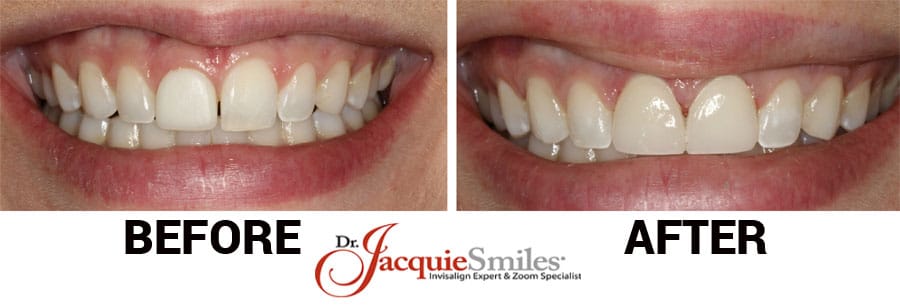
Dental insurance may cover invisalign treatment, but it depends on the individual insurance plan. Invisalign is a popular teeth-straightening option that uses clear aligners instead of traditional braces.
Many people wonder if their dental insurance will cover the cost of invisalign. The answer is that it varies depending on your insurance plan. Some dental insurance plans offer coverage for orthodontic treatment, which can include invisalign. However, not all plans include this coverage, so it’s important to check with your insurance provider to see if they cover invisalign.
Additionally, even if your plan does cover invisalign, there may be limitations or restrictions on coverage, such as a maximum dollar amount or age restrictions. It’s best to contact your insurance company directly to get all the details about your specific plan’s coverage for invisalign.

Credit: drjacquiesmiles.com
What Is Invisalign?
Invisalign is a popular orthodontic treatment for straightening teeth. However, dental insurance coverage for invisalign varies, so it’s important to check your specific policy.
Overview Of Invisalign Treatment
Invisalign is a popular teeth straightening treatment that offers an alternative to traditional braces. It involves using a series of clear aligners that are custom-made for each individual. These aligners are virtually invisible, making them a discreet option for those who may feel self-conscious about wearing braces.
Invisalign aligners are removable, allowing for easy maintenance of oral hygiene. This treatment is suitable for both adults and teenagers who want to achieve a straighter smile without the hassle of metal wires and brackets.
How Invisalign Aligners Work
Invisalign aligners work by exerting gentle pressure on the teeth, gradually guiding them into their desired position. Here’s how the process unfolds:
- Initial assessment: Your dentist or orthodontist will conduct a thorough examination of your teeth and create a customized treatment plan for you.
- 3d imaging: Using advanced technology, a 3d image of your teeth will be generated to develop a personalized treatment plan.
- Custom-made aligners: Based on the treatment plan, a series of aligners will be created specifically for you. Each set of aligners is worn for about two weeks, and then replaced with the next set in the series.
- Gradual teeth movement: As you progress through the series of aligners, your teeth will gradually shift into their correct positions. Regular check-ups with your dentist or orthodontist are necessary to monitor your progress and receive new sets of aligners.
- Treatment completion: Once you have completed the treatment plan, you will be provided with retainers to maintain the new alignment of your teeth.
Benefits Of Invisalign Compared To Traditional Braces
Choosing invisalign over traditional braces comes with a range of benefits. Here are some advantages of invisalign treatment:
- Aesthetics: Invisalign aligners are virtually invisible, allowing you to discreetly straighten your teeth.
- Comfort: The aligners are made from smooth, comfortable material that minimizes irritation to your gums and cheeks, unlike the metal wires and brackets of traditional braces.
- Removability: Invisalign aligners are removable, providing you with the freedom to eat and drink whatever you like without any restrictions. You can also easily maintain your oral hygiene routine by brushing and flossing as usual.
- Convenience: With invisalign, you will have fewer visits to the dentist or orthodontist compared to traditional braces. The aligners can be changed at home, saving you time and reducing the number of office visits.
- Improved self-confidence: Invisalign allows you to straighten your teeth without drawing attention to your treatment. As your teeth gradually align, you can experience a boost in your self-confidence and have a smile that you can be proud of.
Invisalign is an effective and convenient teeth straightening treatment that offers numerous advantages over traditional braces. Its virtually invisible appearance, comfort, removability, and convenience make it an appealing option for those seeking a straighter smile.
Does Dental Insurance Cover Invisalign?
Dental insurance coverage for invisalign varies depending on your insurance plan. It’s best to check with your provider to see what is covered.
Invisalign is a popular orthodontic treatment option that involves using a series of clear, removable aligners to straighten teeth. If you’re considering invisalign, one question that might be on your mind is whether dental insurance covers this treatment. Let’s take a closer look at the topic by exploring the different types of dental insurance plans, the factors that can affect your invisalign coverage, eligibility requirements, and how insurance deductibles and copayments work with invisalign.
Types Of Dental Insurance Plans:
- Ppo (preferred provider organization) plans: These plans typically offer coverage for orthodontic treatments like invisalign, but the level of coverage may vary depending on your specific plan.
- Hmo (health maintenance organization) plans: These plans may have more limited coverage for orthodontic treatments, and invisalign may not be covered or may have strict eligibility requirements.
- Dental discount plans: These plans provide discounted rates on dental services, including invisalign, but they are not traditional insurance plans.
Factors That Affect Invisalign Coverage:
- Insurance policy: Each dental insurance policy has its own coverage limitations and exclusions. It’s important to review your policy documents or contact your insurance provider to determine if invisalign is covered.
- Age restrictions: In some cases, dental insurance plans may have age restrictions when it comes to orthodontic treatment coverage, including invisalign. These restrictions may limit coverage to children or adolescents.
- Dental necessity: Insurance providers may require proof that invisalign is medically necessary for the correction of misalignment or other dental issues. This requirement helps determine coverage eligibility.
Eligibility For Invisalign Coverage:
- Pre-authorization: Some insurance plans require pre-authorization before starting invisalign treatment. This process involves providing the insurance provider with a treatment plan and cost estimate for approval.
- Waiting periods: Certain dental insurance plans may have waiting periods before orthodontic treatments like invisalign are covered. It’s important to be aware of any waiting period requirements outlined in your policy.
How Insurance Deductibles And Copayments Work With Invisalign:
- Deductibles: Before dental insurance coverage kicks in, you may need to meet a deductible, which is the amount you must pay out of pocket. The deductible amount varies depending on your insurance plan.
- Copayments: Once you’ve met your deductible, your dental insurance will typically cover a percentage of the cost for invisalign treatment, while you’ll be responsible for the remaining portion, known as the copayment.
It’s important to note that every dental insurance plan is different, and coverage for invisalign can vary significantly. To determine the specifics of your coverage, it’s best to review your policy documents or contact your insurance provider directly. Keep in mind that in some cases, alternative financing options may be available if your dental insurance doesn’t cover the full cost of invisalign treatment.
Determining Invisalign Coverage With Your Dental Insurance Provider
Discovering if your dental insurance covers invisalign treatment is crucial. Confirm the coverage by directly contacting your dental insurance provider to avoid any surprises when it comes to your orthodontic expenses.
Does Dental Insurance Cover Invisalign
Requesting a pre-authorization from your insurance company:
- Start by contacting your dental insurance provider to find out if they cover invisalign treatment. This step is crucial to ensure you have a clear understanding of your coverage before proceeding.
- Request a pre-authorization from your insurance company, which will help determine the extent of coverage for your invisalign treatment. This process involves submitting documentation from your orthodontist outlining the need for invisalign and the expected duration of treatment.
- Pre-authorization allows you to know in advance how much your insurance provider will cover, helping you plan for any out-of-pocket expenses and budget accordingly.
Key questions to ask your insurance provider:
- Ask if invisalign is covered under your dental insurance plan and if there are any specific criteria or limitations for coverage. Some insurance plans have age restrictions or require certain conditions to be met for coverage.
- Inquire about the percentage of coverage provided for invisalign treatment. While some plans may cover a portion of the costs, others may cover the full treatment expenses.
- Find out if there is a waiting period before you can start your invisalign treatment. Some plans have waiting periods ranging from three to twelve months before coverage begins.
- Ask about any deductible or co-payments that may apply. It is essential to understand your financial obligations to avoid any surprises during the treatment process.
- Inquire if your insurance plan has a maximum lifetime benefit for orthodontic treatment. Knowing the limit can help you plan accordingly and make the most of your coverage.
How to navigate the insurance claims process for invisalign treatment:
- Ensure that your insurance claims are accurately documented to avoid any delays or complications. Follow your orthodontist’s guidance on providing the required information and documentation to support your claim.
- Keep track of your treatment progress and expenses, including any payments made out of pocket. This information will be helpful when filing your insurance claims and reconciling any discrepancies.
- Be proactive in following up with your insurance company regarding the status of your claims. This will help you stay informed and address any issues promptly if necessary.
- Familiarize yourself with your insurance plan’s appeal process in case your claim is denied or if you believe the coverage offered is inaccurate. Understanding the steps involved in the appeals process can help you advocate for your rights and explore alternative options if needed.
Remember, determining invisalign coverage with your dental insurance provider is an essential step in starting your orthodontic journey. Asking the right questions, understanding your coverage, and following the insurance claims process diligently will ensure a smooth and hassle-free experience.
Alternative Financing Options For Invisalign
Discover alternative financing options for invisalign treatment with our comprehensive guide. Understand whether dental insurance covers invisalign and explore other options available to make this transformative dental treatment more affordable for you.
Overview Of Flexible Spending Accounts (Fsas) And Health Savings Accounts (Hsas):
- Fsas and hsas are alternative financing options that can help cover the cost of invisalign treatment.
- Fsas are employer-sponsored accounts that allow you to set aside pre-tax dollars to pay for eligible medical expenses, including invisalign.
- Hsas are similar to fsas but are available to individuals with high-deductible health insurance plans.
- Both fsas and hsas offer tax advantages and can be used to pay for invisalign treatment, reducing your out-of-pocket expenses.
Financing Options Available For Invisalign Treatment:
- Dental credit cards: These specialized credit cards can be used to pay for dental expenses, including invisalign. They often offer promotional periods with no interest if paid in full within a certain timeframe.
- Installment plans: Some orthodontic offices offer installment plans where you can make monthly payments for your invisalign treatment. These plans may have interest or financing fees attached.
- Personal loans: You can explore personal loans from banks or online lenders to finance your invisalign treatment. These loans typically have fixed interest rates and can be paid off over a designated period.
Pros And Cons Of Using Dental Credit Cards Or Installment Plans:
Dental credit cards:
- Pros:
- Convenient payment option specifically for dental procedures, including invisalign.
- May offer promotional periods with no interest, providing flexibility in repayment.
- Can be used for other dental treatments or procedures if needed.
- Cons:
- High-interest rates may apply if the balance is not paid off within the promotional period.
- Not all dental offices accept dental credit cards.
- Limited to dental expenses only, limiting its usefulness for other medical expenses.
Installment plans:
- Pros:
- Allows for manageable monthly payments spread over a set period of time.
- Potential flexibility in repayment terms, depending on the orthodontic office.
- Can be used in conjunction with insurance coverage or other financing options.
- Cons:
- May have high-interest rates or financing fees attached, increasing the overall cost of treatment.
- Approval for installment plans may require a credit check.
- Failure to make timely payments may result in additional fees or collection action.
Remember to explore all available financing options and consult with your orthodontist to determine which one suits your financial needs best. Invisalign treatment can be an investment in your oral health, and with the right financial plan, it can be more affordable and accessible.
Tips For Maximizing Invisalign Coverage
Looking to maximize your invisalign coverage with dental insurance? Discover tips and strategies to make the most of your dental insurance benefits for invisalign treatment.
Choosing an in-network dentist or orthodontist:
- Selecting a dentist or orthodontist who is in-network with your dental insurance plan can help maximize your invisalign coverage. This ensures that you receive the highest level of benefits and minimize out-of-pocket expenses.
- In-network providers have negotiated rates with your insurance company, resulting in lower costs for you. They are also familiar with the insurance process, making it easier to navigate through the coverage and claim procedures.
Utilizing orthodontic benefits and allowances:
- Before starting your invisalign treatment, it’s crucial to understand your dental insurance plan’s orthodontic benefits and allowances. These are specific provisions that outline the coverage for orthodontic treatments, including invisalign.
- Familiarize yourself with the details of your plan, such as the percentage of coverage, any deductibles or waiting periods, and the maximum benefit amount. Knowing these details can help you plan your treatment timeline and financial obligations accordingly.
Ensuring accurate documentation for insurance claims:
- One of the key factors in maximizing your invisalign coverage is ensuring accurate documentation for insurance claims. This includes providing the necessary information and supporting documents to your dental insurance provider.
- Maintain proper records of your orthodontic treatment, including treatment plans, progress notes, and receipts. These documents serve as evidence of the treatment you have received, making it easier to process insurance claims and reimbursements.
- Double-check that all claim forms are filled out correctly and completely, including accurate diagnosis codes and procedure codes. Any errors or omissions can delay the reimbursement process or lead to claim denials.
By following these tips, you can make the most of your dental insurance coverage for invisalign treatment. Remember to choose an in-network dentist or orthodontist, understand your plan’s orthodontic benefits, and ensure accurate documentation for insurance claims. Doing so can help reduce your out-of-pocket expenses and make your invisalign journey more affordable.
Don’t let financial concerns hold you back from achieving a confident and beautiful smile!
Frequently Asked Questions For Does Dental Insurance Cover Invisalign
Why Does Dental Insurance Not Cover Invisalign?
Dental insurance doesn’t cover invisalign because it’s considered a cosmetic treatment. Invisalign is not essential for oral health, so dental insurance focuses on necessary dental procedures instead. The coverage usually includes preventive care, such as cleanings, fillings, and oral surgeries.
Although invisalign can improve the alignment of teeth and enhance appearance, it’s not typically seen as medically necessary. If you’re specifically looking for coverage for orthodontic treatments, you may need to explore separate orthodontic insurance plans or options provided by some dental insurance providers.
Remember to review your insurance policy and consult with your dentist or insurance provider to understand your coverage options for invisalign or other orthodontic treatments.
How Do You Get Invisalign When You Can’T Afford It?
Invisalign can be expensive, but there are some options available if you can’t afford it. The first step is to consult with an orthodontist or dentist to discuss your financial situation. They may offer payment plans or alternative options that can fit your budget.
Some dental insurance plans may also cover a portion of the cost. Another option is to look for dental schools or clinics that offer discounted or low-cost orthodontic treatments. These facilities are often supervised by experienced professionals, ensuring quality care.
Lastly, you can consider applying for medical credit cards or financing options specifically designed for healthcare expenses. By exploring these options, you can find a way to afford invisalign and achieve your desired smile.
Will Insurance Cover Invisalign If I’Ve Already Had Braces?
Yes, insurance may cover invisalign if you’ve previously had braces. Insurance policies vary, so it’s important to check with your provider to determine if invisalign is covered under your plan. In some cases, insurance may cover part or all of the cost, depending on the specific details of your policy.
It’s recommended to review your policy carefully and contact your insurance company to verify coverage. Keep in mind that coverage may also depend on the reason for needing invisalign after braces.
Is Invisalign More Expensive Than Braces?
Invisalign and braces differ in cost, with invisalign often being more expensive. However, the price depends on various factors such as the complexity of the case and the length of treatment. In general, the average cost of invisalign ranges from $3,000 to $7,000, while braces typically range from $2,500 to $6,000.
Although invisalign is pricier, many people find it worth the investment due to its discreet appearance and removable trays, which make oral hygiene easier. Additionally, invisalign offers a shorter treatment time, typically around 12 to 18 months, compared to the 18 to 24 months commonly associated with braces.
It is essential to consult with an orthodontist to determine the best option for your specific dental needs and budget.
Conclusion
Overall, understanding whether dental insurance covers invisalign treatment can be a complex task. While some dental insurance plans may cover a portion of the cost, it ultimately depends on the specific plan and coverage details. It is crucial for individuals considering invisalign to thoroughly review their dental insurance policy and consult with their provider to determine what expenses they will be responsible for.
Additionally, exploring other payment options such as flexible spending accounts or dental financing options can help make invisalign more affordable. Ultimately, the decision to pursue invisalign treatment should be based on individual dental needs and financial considerations. By taking the time to research, consult, and weigh all available options, individuals can make an informed decision about their dental care and the potential coverage for invisalign.
Don’t hesitate to reach out to your dentist or insurance provider for guidance and clarification.