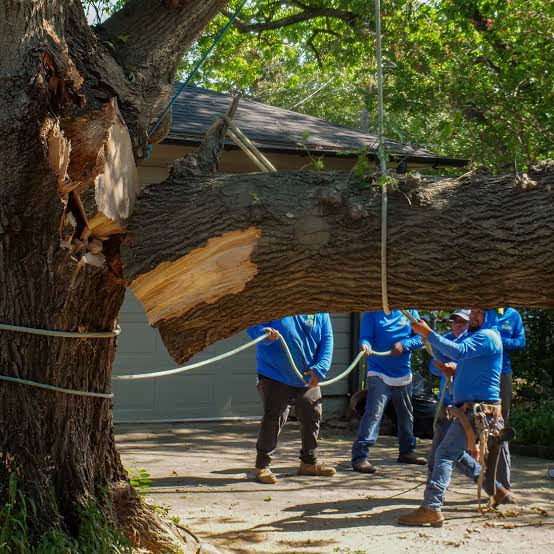
A damaged tree doesn’t always give you much warning. One day, the tree is just a worry, but then, just after one hour, it becomes a potential hazard only a few feet away from your roof.
Extreme weather conditions can damage tree branches or move their roots, and make it far more unstable than it seems. Knowing the time when you need to contact Emergyncy Tree services can be crucial in saving both money and time on cleanup.
All trees do not necessarily have to be removed immediately. In some cases, they do, and in other cases, they don’t, which is precisely the reason why it’s necessary to get an assessment by an ISA Certified Arborist who will be able to tell you if your tree can be saved or if it’s better to remove it for safety reasons.
Professionals who comply with the safety guidelines of the industry and have all the necessary licenses and insurance, including the CCB License #212995, ensure that homeowners are guided properly through a stressful period.
What Actually Counts as a Tree Emergency?
Tree emergencies are conditions under which there is a danger posed by trees or large tree branches to people, houses, cars, or even electric lines that could be close by. There are various symptoms of tree emergencies, including storm damage, cracking of the trunk, leaning, and even moving, which implies that the tree is not stable anymore. This should be immediately evaluated by a certified arborist in order to prevent further complications.
The problem will likely become worse by waiting. The crack that appeared on the tree’s trunk is bound to get bigger the next time the wind blows strongly, while the deteriorated roots will not hold up at all under any pressure. In most cases, dealing with the problem in a timely manner makes sure that the property damage is minimized.
5 Signs You Need Emergency Tree Services Right Now
The tree is suddenly leaning. A lean that wasn’t there before — especially if the soil around the base looks raised or cracked — usually points to root failure, and that raises the risk of the tree coming down entirely.
There are deep cracks or splits in the trunk. These weaken the tree’s structure and, depending on severity, can mean it’s no longer able to hold its own weight.
Large limbs are hanging in the canopy after a storm. Broken branches that got caught rather than fell can come loose without warning. Anyone standing underneath is at risk. Storm damage like this should be looked at by a certified arborist before any cleanup starts.
You’re seeing root rot or fungal growth. Mushrooms near the base, softened wood, roots that seem to be breaking down — these are signs of decay that’s often further along than it appears from the surface.
Branches are touching power lines or resting on your roof. This one’s non-negotiable. Trees tangled in utility lines or leaning on a structure need specialized equipment and trained hands — not a homeowner with a ladder.
Tree Trimming or Urgent Removal — Which One Do You Need?
Not every hazardous-looking tree has to go. A lot of the time, strategic pruning is enough to restore clearance, clear out damaged limbs, and shore up the tree’s structure before things get worse. Regular maintenance also cuts down on the odds of branches failing during wetter winters or whenever an ice storm rolls through.
When ISA Certified Arborists handle trimming, the goal is to remove diseased, damaged, or structurally weak limbs while keeping the rest of the tree healthy in the long term. Preventive pruning also keeps branches clear of roofs, gutters, chimneys, and windows, which cuts down on storm risk down the road.
Still, there are cases where saving the tree just isn’t realistic. Extensive decay, serious trunk failure, widespread root damage, or a tree that’s simply too unstable — these usually call for removal, full stop. That’s where Emergency Tree services step in, giving people and property nearby the safest possible outcome.
While You’re Waiting for the Arborists
Safety comes first, and there’s not much else to say about that.
Stay out of the potential impact zone. Family, pets, vehicles — keep them all well clear of the damaged tree.
Don’t attempt a DIY removal, and don’t climb it. A tree can look stable and still be hiding damage that causes it to fail without warning.
If there are power lines anywhere nearby, stay away from them entirely. Treat every line as if it’s live, and call your utility company right away if wires are involved.
Act Quickly to Protect Your Home
You can’t predict a tree emergency, but you can control how you respond to one. Sudden leaning, major trunk cracks, storm-damaged limbs, root decay, branches near power lines — catching these early gives trained professionals the chance to step in before the situation gets worse.
With ISA Certified Arborists, solid safety protocols, and full licensing and insurance (CCB License #212995) behind the work, homeowners can make the right call — for their property and their safety — when every minute actually counts.