Online gol88.com has become a cultural force in the modern world, attracting millions of players and fans worldwide. Once considered a niche hobby, it has evolved into a massive global industry, reshaping how people socialize, compete, and experience entertainment. From competitive esports leagues to casual mobile games, online gaming has expanded its reach and continues to push boundaries with new technological innovations. In this article, we will explore the rise of online gaming, its cultural impact, and its future potential.
A Glimpse into the History of Online Gaming
The origins of online gaming can be traced back to the early days of computer networking in the 1970s and 1980s. Games like Maze War and Spacewar! allowed players to compete against each other on early computer systems, but these experiences were limited by the technology of the time. The real shift toward modern online gaming occurred in the 1990s, with the introduction of faster internet connections and the rise of PC gaming.
The late 1990s saw the arrival of multiplayer games that utilized internet connections to link players. Games like Doom and Warcraft allowed players to connect over local area networks (LANs) and battle each other, a precursor to the global online multiplayer experiences we see today. The early 2000s marked the next major leap forward, with MMORPGs (Massively Multiplayer Online Role-Playing Games) like World of Warcraft offering players the chance to explore vast virtual worlds together in real time.
The Global Expansion of Online Gaming
Online gaming has come a long way since the 90s. The advent of mobile gaming, the proliferation of high-speed internet, and the development of online gaming platforms have all played significant roles in the growth of the industry. Today, online gaming is a multi-billion-dollar industry that reaches players of all ages, backgrounds, and geographical locations.
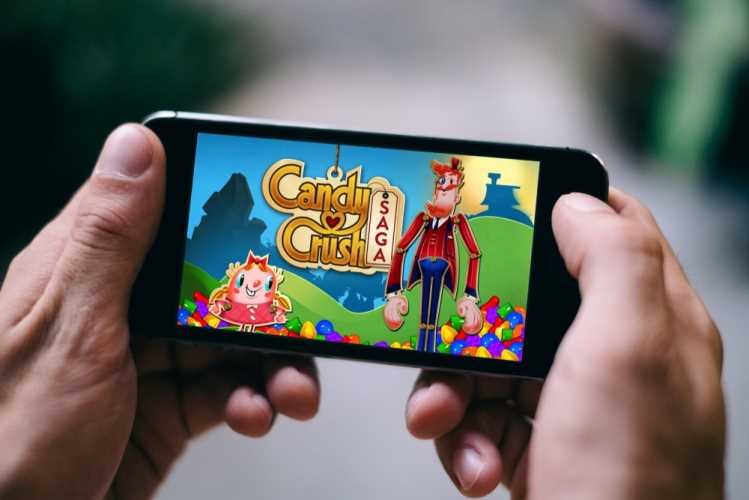
Mobile gaming, in particular, has made gaming accessible to a vast audience. Games like Clash of Clans, Pokémon Go, and Candy Crush Saga are not only enjoyed by seasoned gamers but also attract casual players who may have never considered gaming before. With the widespread availability of smartphones, players can now enjoy their favorite games anytime and anywhere, whether commuting, waiting for an appointment, or simply relaxing at home.
The rise of free-to-play games has also been a major factor in expanding the gaming audience. Games like Fortnite, League of Legends, and Valorant provide players with access to high-quality gaming experiences without the upfront cost. Instead, revenue is generated through in-game purchases, allowing players to customize their avatars or gain access to exclusive content, such as skins or battle passes. This model has proved to be highly successful and continues to drive the popularity of online gaming.
The Social Aspect of Online Gaming
Perhaps one of the most unique aspects of online gaming is its ability to foster social connections. Unlike traditional, single-player games, online multiplayer games create opportunities for players to interact with one another in real time. Whether collaborating with teammates in a Fortnite battle, chatting with friends while building in Minecraft, or joining an online clan in World of Warcraft, online gaming is all about building relationships and connecting with others.
Voice communication, chat features, and online communities have transformed the way players socialize. Many online games encourage teamwork, requiring players to work together to achieve goals or defeat powerful enemies. This cooperative element has become a key appeal for many players, as it creates opportunities to form bonds and friendships.
Streaming platforms like Twitch, YouTube Gaming, and Facebook Gaming have further strengthened the social nature of online gaming. Gamers can share their experiences with large audiences, stream live gameplay, and interact with viewers in real time. The rise of content creators and esports influencers has transformed gaming into a form of entertainment that extends beyond the gameplay itself.
Esports: The Rise of Competitive Gaming
One of the most significant developments in online gaming is the rise of esports. Esports refers to organized, multiplayer video game competitions, particularly between professional players, teams, and spectators. The competitive gaming scene has evolved into a global industry, with major tournaments offering multi-million-dollar prize pools and attracting millions of viewers.
Games like League of Legends, Dota 2, Counter-Strike: Global Offensive, and Overwatch are now staples in the esports world. Major events like The International, League of Legends World Championship, and Overwatch League draw large crowds and are broadcast worldwide, sometimes attracting viewership numbers that rival traditional sports.
Esports athletes have become celebrities in their own right, with some even securing sponsorships from major brands and companies. The esports industry has created a professional career path for players, coaches, analysts, broadcasters, and content creators. Scholarships for esports athletes are now offered by universities and colleges, making it possible for students to pursue gaming at a competitive level while continuing their education.
Economic Impact and the Future of Online Gaming
The financial impact of online gaming is profound. According to recent reports, the global gaming industry is expected to exceed $200 billion in revenue by the mid-2020s, and online gaming makes up a substantial portion of that total. The expansion of mobile gaming, the continued success of free-to-play models, and the increasing popularity of esports all contribute to this exponential growth.
The future of online gaming holds even greater potential as new technologies, such as virtual reality (VR) and augmented reality (AR), continue to evolve. VR gaming offers fully immersive experiences, allowing players to step into the virtual world and interact with their environment in a way that traditional gaming cannot provide. AR games like Pokémon Go blend the real world with digital elements, creating unique gaming experiences that encourage players to explore their surroundings.
Cloud gaming is another technology that is set to revolutionize the industry. Services like Google Stadia, Xbox Cloud Gaming, and NVIDIA GeForce Now allow players to stream games from powerful servers, eliminating the need for expensive hardware. This opens up gaming to a broader audience, allowing people to play high-quality games on devices that were previously incapable of running them.
Blockchain technology and NFTs (non-fungible tokens) may also play a role in the future of online gaming. Blockchain can provide a secure and transparent way to verify ownership of in-game assets, such as rare skins, weapons, or collectibles. NFTs could enable players to truly own and trade digital items, giving them real-world value. While still in its early stages, this technology has the potential to reshape the way virtual goods are bought, sold, and traded.
The Challenges of Online Gaming
Despite its many benefits, online gaming comes with its share of challenges. One major issue is the rise of toxic behavior within gaming communities. Online anonymity can encourage harassment, trolling, and bullying, creating a toxic environment for some players. Game developers and platform providers are increasingly taking steps to address these issues, implementing stricter reporting systems, banning abusive players, and promoting positive behavior.
Gaming addiction is another concern, particularly with highly engaging, immersive games that encourage players to spend long hours playing. As online gaming becomes more integrated into daily life, it’s important for players to maintain a balance between gaming and other responsibilities. Many developers are introducing playtime limits and offering in-game features that promote healthy gaming habits.
Finally, there is the issue of privacy and security. With online gaming, players often share personal information, payment details, and other sensitive data. Developers and platform providers must continue to invest in security measures to ensure that players’ data is protected from cyberattacks and breaches.
Conclusion: Online Gaming as the Future of Entertainment
Online https://www.togel123.com/ has transformed the entertainment landscape, offering new forms of interaction, competition, and connection. What started as a niche hobby has now become a multi-billion-dollar industry, with millions of players across the world. The social, competitive, and immersive aspects of online gaming continue to shape how people experience entertainment, and the rise of new technologies promises to make the future of gaming even more exciting.
As virtual reality, cloud gaming, and blockchain technology continue to evolve, the potential for online gaming will only expand. Whether it’s through casual mobile games or professional esports leagues, online gaming has become a cultural mainstay that will continue to influence and inspire people for years to come.